Layaway helps shoppers secure items by paying in installments before full ownership transfers. This guide explains how layaway works, what to check before committing, and how retailers typically structure terms. It also reviews practical decision criteria such as fees, timelines, refund rules, and eligibility—grounded in objective consumer-finance principles.

Layaway is a purchasing arrangement where you reserve an item by making scheduled payments over time, typically until the balance is paid—after which the item is released or delivered. For shoppers trying to control cash flow, layaway can function as a structured commitment: you agree to a payment plan, and the retailer holds the selected merchandise under stated conditions. From an industry perspective, the key value is not only affordability planning, but also clarity around what happens if you miss a payment or request changes to the reserved order.
In practice, layaway policies vary by retailer and by product category (for example, seasonal promotions, high-demand inventory, or items requiring special ordering). Before choosing a plan, you should treat the agreement like any other financial commitment: read the posted terms, confirm total cost (including any service fees), and ensure you understand whether your payments are refundable under your circumstances.
In many households, “budgeting” is not a single decision but an ongoing balancing act between fixed bills (rent, utilities, insurance) and variable expenses (groceries, transportation, school supplies). Layaway can fit into that reality because it helps separate the purchase decision from the immediate cash requirement. Instead of spending a large amount up front, you spread the cost into manageable installments. That can reduce the likelihood of overdrafts or credit card charges that result from short-term shortages.
That said, layaway is not magic. It does not eliminate risk; it shifts risk and responsibility into a contract structure. The retailer takes on the risk of holding the item (inventory carrying costs), while the consumer takes on the obligation to meet payment deadlines. If either side’s expectations are disrupted—if you miss payments, or if the item becomes unavailable—your outcome depends on the exact “what if” clauses inside the contract. Understanding those clauses is what turns layaway from a marketing concept into a dependable budgeting tool.
At its core, layaway is a contract between a buyer and a seller. While the shopper’s goal is often to budget over time, the retailer’s goal is operational certainty: reserving inventory has carrying costs, and policies attempt to manage risk (such as canceled reservations and payment failures).
Many consumer-facing agreements use payment milestones (e.g., weekly or biweekly installments) and a target date for the final payment. Some retailers release the item immediately after the final payment; others coordinate pickup or delivery based on inventory availability and warehouse processing. Because these details can materially affect consumer outcomes, layaway is top understood as a timeline-based arrangement rather than simply “buying later.”
It can be helpful to think of layaway as a combination of (1) a reservation process and (2) a payment plan. The reservation is the part that protects you from “sold out” scenarios. The payment plan is the part that protects you from “I can’t afford this today” situations. When both parts work as promised, layaway can feel like an orderly bridge between your current budget and a future need.
From a regulatory and consumer-protection standpoint, layaway terms should be transparent and consistent with applicable local laws and consumer contracting practices. In the United States, consumer guidance often emphasizes reading cancellation terms, fee disclosures, and refund rules under the Federal Trade Commission’s general consumer protection framework and state-level retail regulations. You can see related consumer guidance themes in FTC educational materials on avoiding scams and understanding contract terms, even though layaway itself is not covered by a single universal federal statute. For general consumer-contract principles and rights, the U.S. Federal Trade Commission is a widely cited source: https://www.ftc.gov/ (FTC consumer protection and guidance pages).
One reason layaway attracts attention from consumer advocates is that it can be vulnerable to misunderstandings. For example, some shoppers interpret layaway as “my money is just being held safely until I’m ready.” In reality, retailers often treat payments as part of the purchase process while reserving inventory. If you cancel, the retailer may deduct fees or forfeit a portion of payments depending on the contract. Those differences can produce real financial surprises if you don’t read the agreement carefully.
Layaway may sound straightforward, but the practical decision often depends on a handful of variables. The very important questions are rarely about the installment amount alone; they’re about the total cost and your options if plans change.
Beyond the “big” questions above, shoppers often benefit from checking smaller details that can still change the outcome. For example:
Finally, ask yourself a “budget reality check.” Can you reliably meet the installment amount even if a paycheck is delayed or a bill runs higher than expected? Layaway is often chosen because the installments are smaller than an upfront purchase. But small installments can still become impossible if multiple shortfalls overlap. Treat your layaway payments like recurring obligations in your household budgeting, not optional expenses.
Retailers typically design layaway policies to balance customer flexibility with inventory and administrative costs. Holding merchandise incurs expenses such as storage, accounting overhead, and fulfillment coordination. When customers cancel, retailers may face restocking costs or lost sales opportunities if the item sells to another shopper.
From an operational standpoint, layaway agreements also help retailers forecast demand and reduce inventory uncertainty. However, because consumers bear the cash-flow planning burden, ethical retailer practices tend to prioritize upfront disclosures and clear consequence statements. That’s the practical reason the top layaway experiences are usually the ones with simple, well-communicated terms rather than the very “complex” or ambiguous plans.
There’s another practical consideration: retailers want to minimize the “administrative drag” of managing many small reservations. That’s why many stores standardize layaway rules—fixed payment intervals, fixed release dates, and defined cancellation procedures. Consistency reduces internal confusion and helps the store manage staffing and accounting.
At the same time, the best retailer policies are designed to be understandable to customers. A clear policy doesn’t just benefit the retailer; it helps customers avoid mistakes. The more the agreement uses plain language and transparent numbers, the less likely it is that a customer will cancel due to unexpected charges or misunderstanding about refunds.
It’s also common for retailers to reserve layaway for certain categories of merchandise. For instance, items that are in high demand might be harder to hold without incurring risk that the inventory reserved for you is the same inventory needed to satisfy other shoppers. Conversely, items that are stable in stock or nonreturnable might be easier to manage under layaway because the store can control fulfillment expectations more reliably.
Layaway is frequently compared to other ways of acquiring goods over time, such as credit cards, buy-now-pay-later products, and store financing. While these options can all serve budgeting goals, they differ substantially in contract mechanics and risk allocation.
Layaway’s distinguishing factor is usually the reservation mechanism: the item is held while you pay, subject to conditions. That can be beneficial when you want a structured path to acquire a specific product without relying on revolving credit. It can also reduce impulsive purchasing if you treat layaway as a commitment window rather than a loophole.
When comparing layaway to buy-now-pay-later, it’s useful to focus on a few decision variables:
Another alternative is “paying off the purchase plan outside the store,” such as saving in a dedicated account or using a budgeting app category. That method can be safest because you control the money. But it lacks layaway’s reservation element. If the item sells out while you’re saving, you may have lost the very opportunity that drove the purchase.
In other words, layaway often offers a specific combination: structured payments plus a reserved item. For some shoppers, that combination is the difference between purchasing the right thing and avoiding the wrong financial stress.
Layaway can be particularly practical for shoppers planning purchases around events or seasons—without leaning on credit-heavy solutions. Typical scenarios include:
Still, layaway is not limited to these examples. In fact, layaway can be an attractive option whenever the purchase is planned but the cash timing is uncertain. For example:
Even then, the decision should remain conditional on the retailer’s fee and cancellation terms. The “top” layaway option is usually the one with the clearest policy and manageable total cost relative to your timeline and risk tolerance.
A useful way to think about fit is to evaluate the purchase’s “criticality.” If the item is time-sensitive—such as a costume needed by a specific date—layaway can be risky if the retailer releases the item later than expected. If you choose layaway, confirm release timing and pickup requirements so that a minor delay does not derail your plans.
To evaluate any layaway offer objectively, familiarize yourself with common policy phrases:
Many documents also use additional phrases that are easy to overlook because they sound procedural. Paying attention to them can prevent confusion later.
If terms are unclear, ask the retailer to provide the policy in writing or clarify it before you commit. A well-run retail operation can explain policies without evasiveness. If you feel pressured to sign without time to review, treat that as a warning sign. A contract is only helpful if you can understand and anticipate its effects.
The following guide outlines a practical decision workflow and management checklist. While layaway rules can differ, the steps below reflect broadly applicable consumer-contract top practices.
| Stage | What to do | Conditions / requirements to confirm |
|---|---|---|
| 1) Evaluate the offer | Compare the item’s total cost under layaway versus other payment methods. | Confirm any service fees, non-refundable deposits, and the full schedule amount. |
| 2) Verify eligibility | Confirm the plan applies to the specific product and qualifies for your desired pickup/delivery method. | Check restrictions for certain brands, special orders, or sale items. |
| 3) Record your schedule | Set reminders for installment due dates and ensure you know accepted payment methods. | Confirm due date rules, grace periods (if any), and how to pay in-store or online. |
| 4) Review cancellation terms | Ask what happens if you must cancel temporarily or goodly. | Clarify refund eligibility, forfeited amounts, and whether cancellation affects other purchases. |
| 5) Monitor inventory availability | Confirm how the retailer handles out-of-stock events during the reservation window. | Check whether you receive a substitution option or a refund if the item is unavailable. |
| 6) Complete and receive | Confirm the final payment posting method and release timeline for pickup/delivery. | Verify whether the item is released immediately after final payment and what ID or paperwork is required. |
To make this process even more practical, consider using a “layaway file” approach. Many disputes happen because consumers cannot quickly show what was promised. A layaway file can be a folder (digital or physical) that includes: the agreement or contract, proof of initial payment, receipts for each installment, written policy screenshots (if online), and any correspondence. If the retailer later claims a payment was missed or an item was not reserved, having documentation can reduce stress and speed resolution.
Additionally, consider the timeline in relation to your personal finances. A plan may last two to six months, depending on the amount and store rules. If you expect job changes, moving dates, or holiday expenses during that window, factor those into whether you can keep the schedule. Layaway is best aligned with predictable income and stable expenses. It can still work in uncertain times, but your risk tolerance should be lower if your ability to pay is less reliable.
Another management detail involves controlling payment errors. For example:
Responsible management also means recognizing when you may need help. If you anticipate missing a payment, contact the retailer as early as possible (before the payment becomes overdue). Many policies are strict, but some offer reinstatement or modification options if you communicate early. Waiting until after cancellation can eliminate your options.
Very layaway experiences are determined by conditions rather than installment size. In particular, the following requirements tend to control whether consumers can complete the plan smoothly:
There are additional conditions that often matter in real-life scenarios. For example, many stores include rules about payment arrangements when a customer pays early. Some policies allow acceleration; others treat early payments as applying to the next scheduled installment, not the release date. That might sound minor, but it can affect when you actually receive the item.
One more critical condition is the “pickup after completion” rule. Even if you complete the layaway correctly, the retailer might require pickup within a limited timeframe. If you’re dealing with shipping delays, travel, work schedules, or illness, those timeframes can become a problem. Ask how long the item will remain available after final payment and whether additional storage fees apply.
Layaway is a retailer-backed reservation system where you pay in installments over time. Once you complete the schedule according to the agreement, the retailer releases the item for pickup or delivery, subject to the policy’s conditions.
Another useful plain-terms interpretation is: you’re “reserving first, paying over time, and receiving later.” This distinction matters because it influences how you should think about deadlines and item availability during the plan.
Many retailers charge a service, handling, or administrative fee as part of layaway administration. Fees vary, so you should confirm the total cost up front, including any non-refundable portion.
It’s not only the fee amount that matters. You should also confirm whether the fee is charged as a flat amount, added to the total price, taken from your deposit, or withheld during refunds. Ask for the calculation method if it’s not clear.
Policies vary. Common outcomes include a late-payment fee, plan pause, or cancellation after repeated missed payments. You should review the agreement’s noncompliance trigger and grace period language before starting.
If you miss a payment, try to understand whether the plan is immediately canceled or whether there is a step-by-step process (like notice then suspension then cancellation). The difference can be significant for whether you can salvage the reservation.
Refundability depends entirely on the retailer’s terms. Some plans refund eligible amounts; others deduct administrative fees or forfeit part of the payments. Always check the cancellation/refund schedule in writing.
Also ask how refunds are issued: to the original payment method, by check, or by store credit. If you need cash quickly, ensure you understand the refund timeframe and whether you can get a partial refund immediately or only after cancellation processing completes.
In very standard layaway arrangements, payments are not reported like credit accounts. However, practices can vary by provider and jurisdiction. If you care about credit reporting, ask the retailer directly whether layaway activity affects credit bureaus.
Even if layaway is not reported as credit, late payments can still lead to negative consequences at the store level (cancellation, forfeiture, restrictions on future purchases). Those consequences may not show up on your credit report but can still affect your ability to shop.
No. While both can involve installment payments, buy-now-pay-later often uses a third-party provider and may allow different terms for late payments and account reporting. Layaway is generally centered on the retailer holding the item until the plan is complete.
Because buy-now-pay-later arrangements sometimes include different consumer protections and reporting methods, you should compare not only the installment size but also how the provider handles late fees and whether late payments affect consumer credit profiles.
Some retailers allow layaway for a wide range of items, while others restrict it for clearance inventory, special orders, or products with limited availability. Confirm eligibility for the exact item you want.
Special-order items can have additional complexity because the retailer may place orders with vendors or customize the product. In those cases, cancellation refunds might be limited, and substitutions might not be possible. Confirm what happens if a vendor delays or cancels.
Confirm the model, size, color, and any variant details are written correctly on your agreement. If changes are needed, ask how swaps are handled and whether they change your schedule or total cost.
If possible, request a copy of the reservation details and verify that they match what you selected in-store. Photograph the item tag or reservation page if the retailer permits, or keep a printout with the exact description.
Keep your receipt, layaway agreement, and any confirmation numbers. If you paid online, save payment confirmations. This documentation helps if there’s a dispute about payment posting or release timing.
Also keep any written policy documents you received, such as a printed layaway terms sheet. If you discuss your plan with customer service, save emails or chat transcripts. Even if those seem minor now, they can be useful later.
Some retailers allow extra payments or early payoff; others adhere strictly to schedule terms. Ask whether you can accelerate the completion date and how it affects release timing.
If acceleration is allowed, ask whether early payments reduce the number of remaining installments and whether the item release is scheduled immediately after the account reaches a zero balance. Clarify whether there is any processing time between the last payment and actual pickup availability.
Because layaway involves consumer finance mechanics, it’s common to see marketing claims about affordability and customer outcomes. To stay objective, rely on verifiable consumer guidance and published institutional resources rather than anecdotal performance narratives.
For general consumer-finance education and dispute-related principles, consult recognized public-sector sources such as the Federal Trade Commission (FTC) in the United States, which provides consumer protection guidance and educational materials on contracts and fair dealing: https://www.ftc.gov/. For budgeting and financial education resources, official non-profit and government-adjacent guidance (for example, consumer education from recognized agencies) can also help you evaluate whether layaway aligns with your goals.
If you are comparing retailers, consider using a standardized checklist rather than trusting promotional language. The very meaningful comparison is the agreement itself: total cost, fee structure, cancellation policy, inventory contingencies, and pickup/delivery terms.
In addition to checking institutional sources, you can reduce the risk of relying on incomplete claims by asking concrete questions. For instance, instead of asking “Is this refundable?” ask “If I cancel after 30 days, how much is refunded, and how is it calculated?” That forces the conversation to use specific numbers and contract clauses.
You can also evaluate reliability by observing how the retailer handles documentation. A reliable retailer is usually the one that can provide: written terms, a clear contract receipt, a readable schedule, and customer service that can locate your account using a reservation number. If the store struggles to produce details, that can be a sign that disputes could be more difficult later.
Another important “performance” consideration is consistency across experiences. Layaway customers sometimes share stories online. Those stories can be informative, but they’re not always representative. When you read reviews, try to identify patterns—such as repeated reports that cancellations lead to unexpectedly low refunds, or consistent reports of delayed pickups without clear communication. Patterns matter more than single anecdotes.
Use this short decision checklist before you sign or confirm a layaway plan:
If you can answer these questions confidently, layaway can be a practical budgeting structure. If key terms remain unclear, request written clarification. A transparent agreement is a baseline requirement for a low-friction consumer experience.
To strengthen this checklist, consider adding a few more decision questions that address real-life uncertainty:
Sometimes the most responsible choice is simply to wait, especially if the purchase is not urgent and your budget is uncertain. Layaway is best used when you have a realistic ability to complete the plan and when the total cost and policies are acceptable.
Layaway is top approached as a disciplined, timeline-based purchasing contract. Its value lies in structured payments and reservation mechanics—useful for managing cash flow while securing a specific item. The strongest consumer outcomes usually come from careful review of fees, payment deadlines, cancellation/refund rules, inventory handling, and release timing. By treating the agreement like a financial plan rather than a transaction shortcut, you can make a more objective decision aligned with your budget and risk tolerance.
Ultimately, the best layaway experience is one where nothing surprising happens. You understand the total amount, you can meet the installment schedule, you know exactly what happens if something goes wrong, and you receive the item as promised after completion. If those conditions are in place, layaway can be a practical tool—helping you buy what you need while protecting the stability of your household budget.
Striking the Perfect Balance: Navigating Premiums and Out-of-Pocket Expenses in Senior Insurance Plans

Explore the Tranquil Bliss of Idyllic Rural Retreats

How to Make Lasting Memories at Disneyland Attractions

4rkojvsx Technology: Industry Insights and Buying Guide

Affordable Phones and Plans for Seniors

Affordable Full Mouth Dental Implants Near You

Unlock the Top Kept Secrets to Finding Your Ideal Dentist for Flawless Dental Implant Results!

Discovering Springdale Estates

Unveiling RS Sul Telecom Services


Exploring Wbuy's Online Marketplace
Wbuy is an emerging online marketplace that aims to connect consumers with a wide array of products offered by diverse suppliers. This article dissects Wbuy's role as a marketplace platform, outlining its unique features, supplier partnerships, and potential benefits for consumers in terms of product variety and competitive pricing.
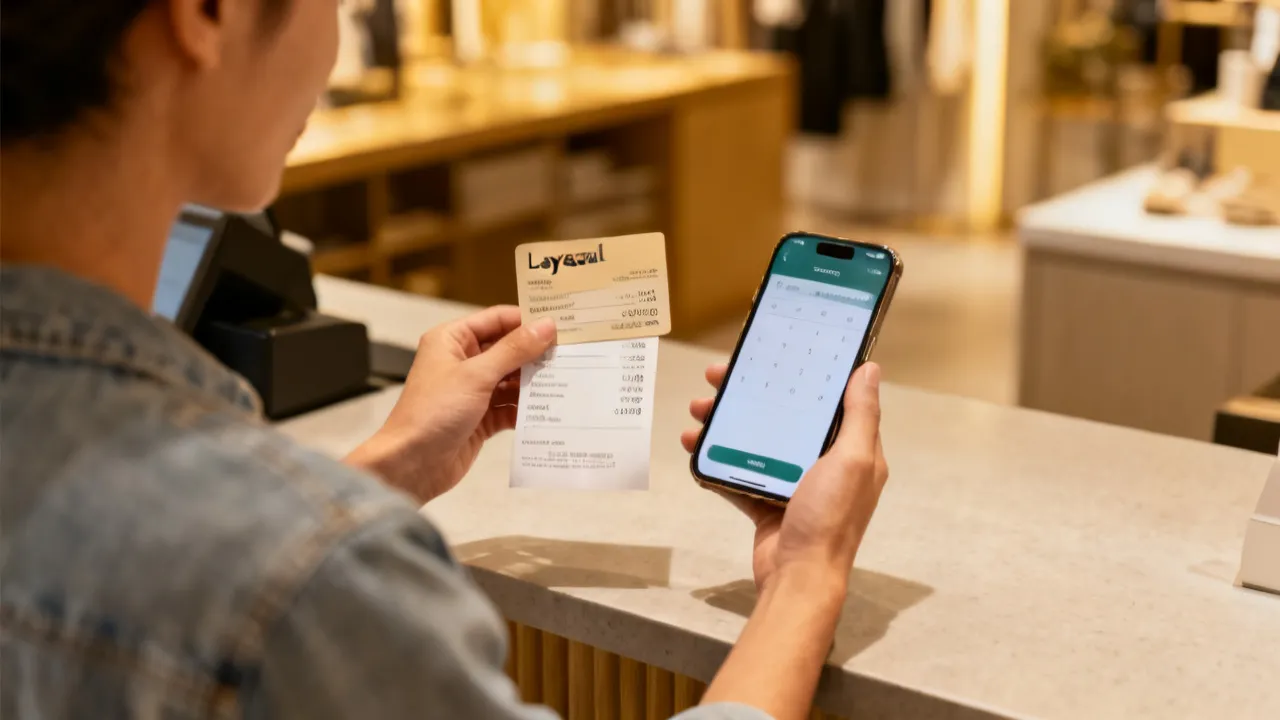
A Scholarly Guide to Layaway Plans and Rules
Layaway helps shoppers secure items while paying over time, often using deposits and scheduled installments. This guide explains the concept objectively, including how layaway works, typical eligibility and timing, and the common conditions retailers apply. It also offers a practical comparison of key requirements and an expert-style checklist for responsible use.
Understanding Layaway Plans for Safer Budgeting
Layaway helps shoppers secure items by paying in installments before full ownership transfers. This guide explains how layaway works, what to check before committing, and how retailers typically structure terms. It also reviews practical decision criteria such as fees, timelines, refund rules, and eligibility—grounded in objective consumer-finance principles.
